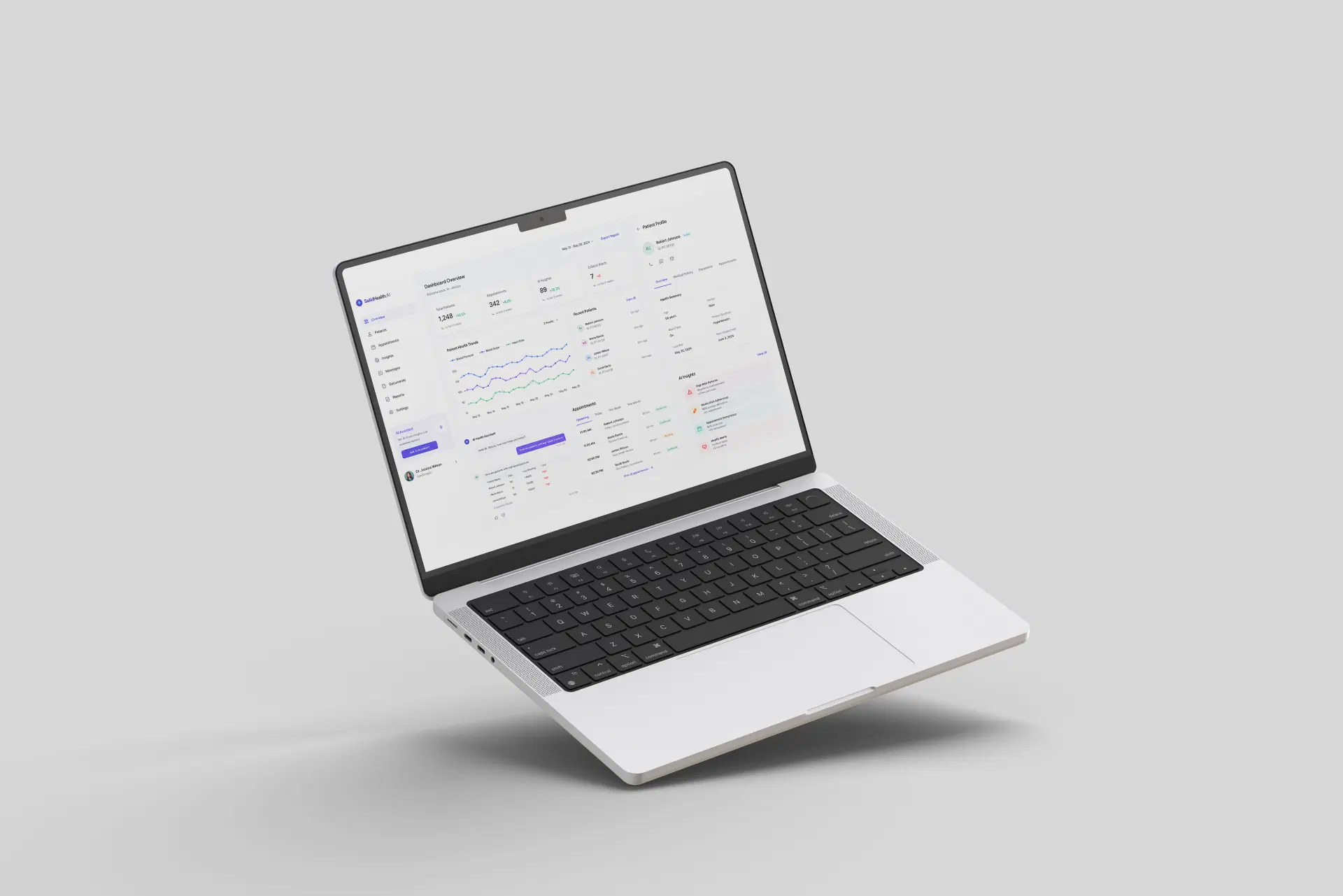
SolidHealth AI is a healthcare platform serving senior patients and providers across the United States, combining AI-driven clinical insights with intuitive patient and provider experiences. TechEniac works with the team through a continuous engineering partnership, delivering features and improvements through dedicated bi-weekly sprints. The platform has evolved from a patient-facing product into a broader healthcare ecosystem with provider portal capabilities, EHR integrations, secure data pipelines, real-time communication, and healthcare-focused access controls.

SolidHealth AI is a healthcare platform serving senior patients and their providers across the United States. The platform combines AI-driven clinical insights with intuitive patient and provider interfaces to improve health outcomes. Founded by healthcare professionals, SolidHealth AI required not just technical expertise, but a partner who understood the regulated environment of healthcare and could commit to long-term, ongoing delivery rather than a single project launch. The platform needed to evolve continuously based on clinical feedback, regulatory requirements, and provider needs requiring a partner that could operate within that cadence sustainably.
Healthcare AI development requires more than technical delivery. SolidHealth AI needed an engineering partner who could work within the demands of regulated healthcare, maintain continuity over the long term, respond quickly to clinical feedback, and scale the team as the product and roadmap evolved.
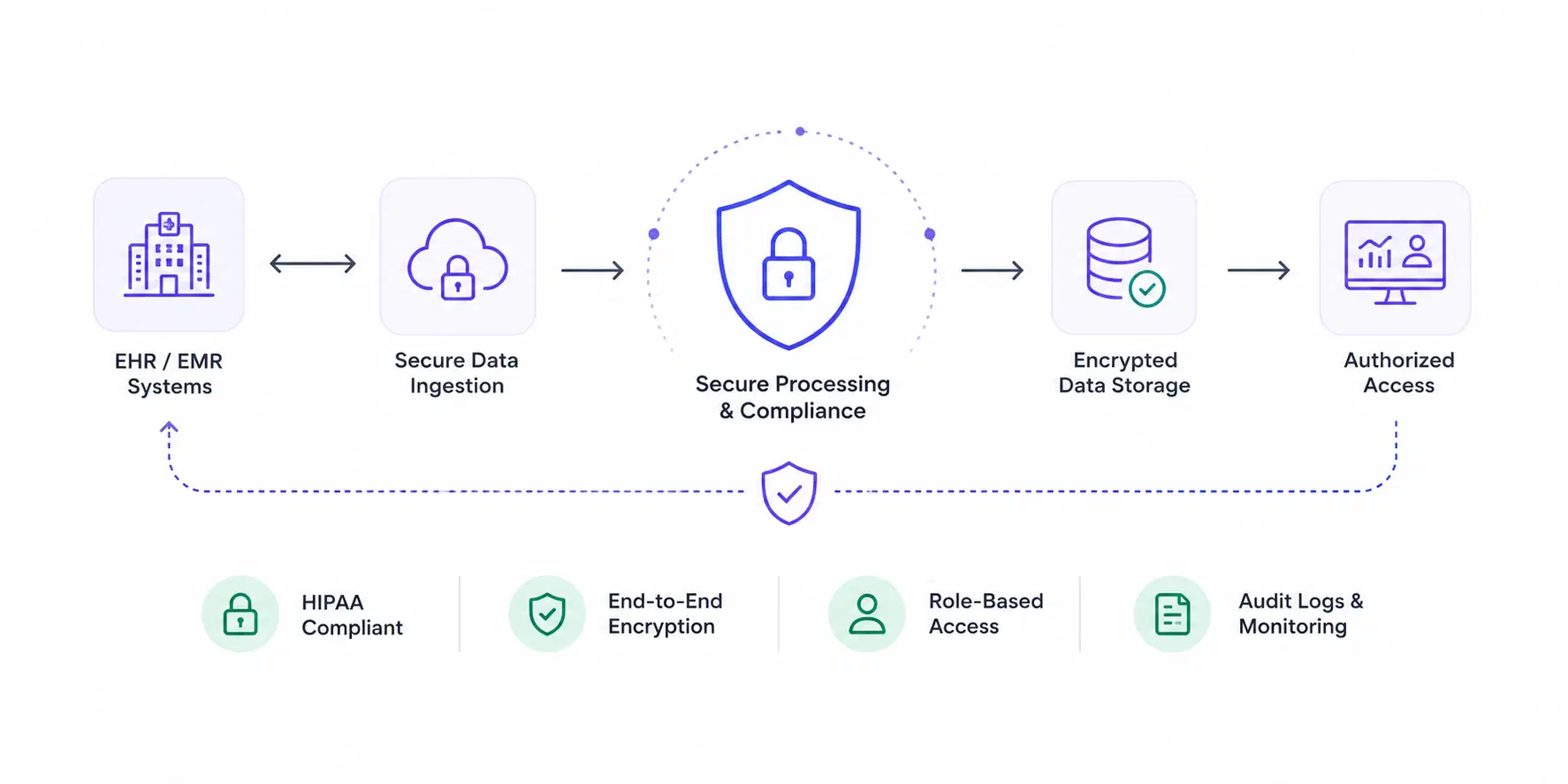
Patient data requires careful handling. HIPAA compliance, secure data pipelines, EHR integration, and audit trails aren't optional they're foundational. SolidHealth AI needed an engineering partner who understood healthcare data requirements from day one, not a team learning healthcare on the job.
A healthcare platform doesn't end after launch. Clinical feedback drives constant iteration. Provider workflows evolve. Regulatory requirements change. SolidHealth AI needed a partner capable of sustained, multi-year engagement not a project vendor who handed off after the MVP.
As a startup, SolidHealth AI needed to manage runway carefully. Large upfront commitments or surprise costs were not an option. The engagement model needed to flex up or down with roadmap needs adding backend expertise when building a provider portal, without renegotiating the entire contract.
Clinical feedback from patients and providers is time-sensitive. When a usability issue surfaces, waiting a quarter for a fix isn't acceptable. SolidHealth AI needed a model where feedback could be incorporated into the current sprint, not queued for some future release.
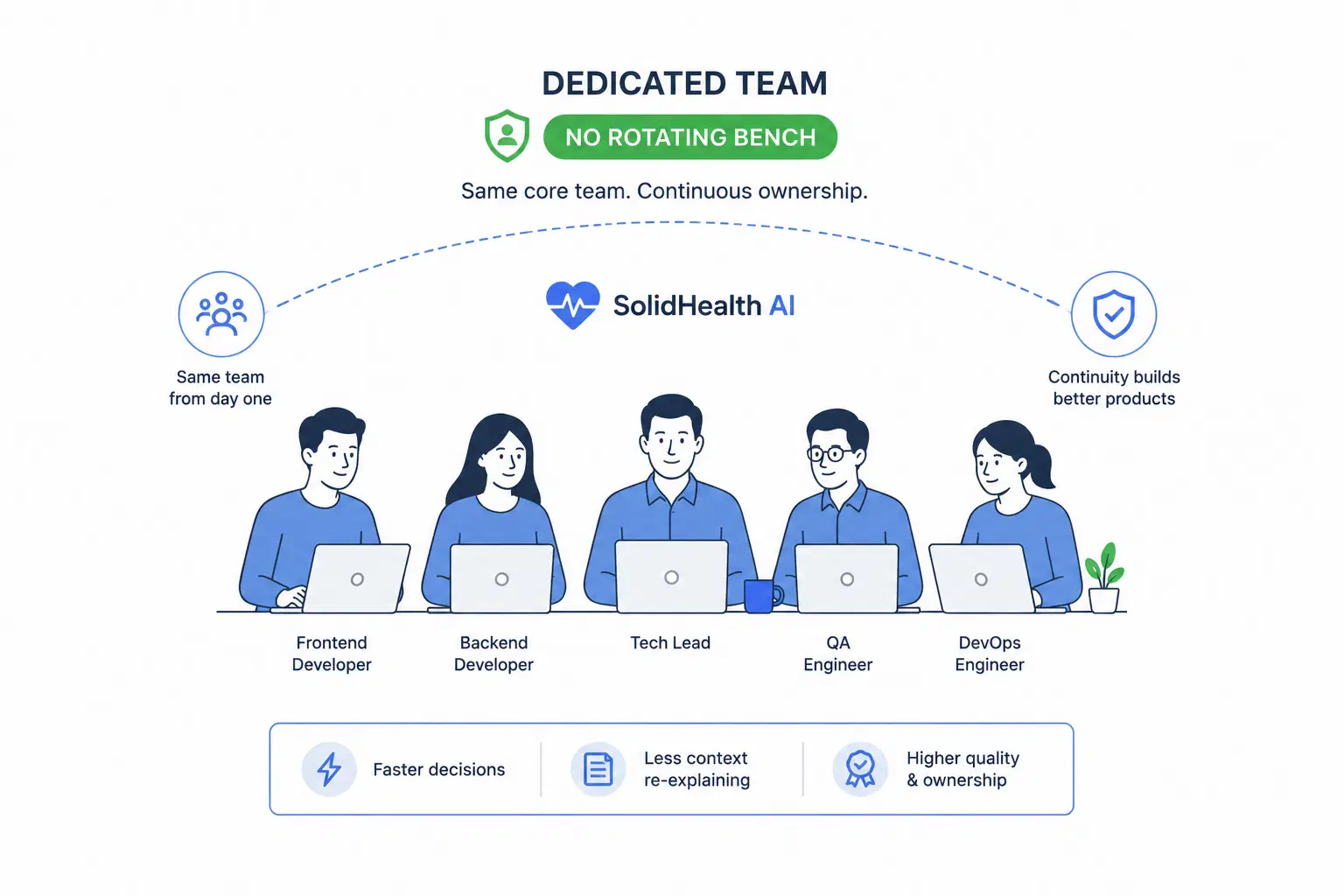
A team that wouldn't rotate out mid-engagement same engineers who understand the codebase, the healthcare context, and the product roadmap
Bi-weekly working demos, not status reports actual, clickable increments the team could provide feedback on
Transparent communication on timelines honest dates rather than optimistic promises Security-first engineering for healthcare data compliance built in from the start, not added later
A model that scales with the roadmap from patient platform MVP to full provider portal without disruption
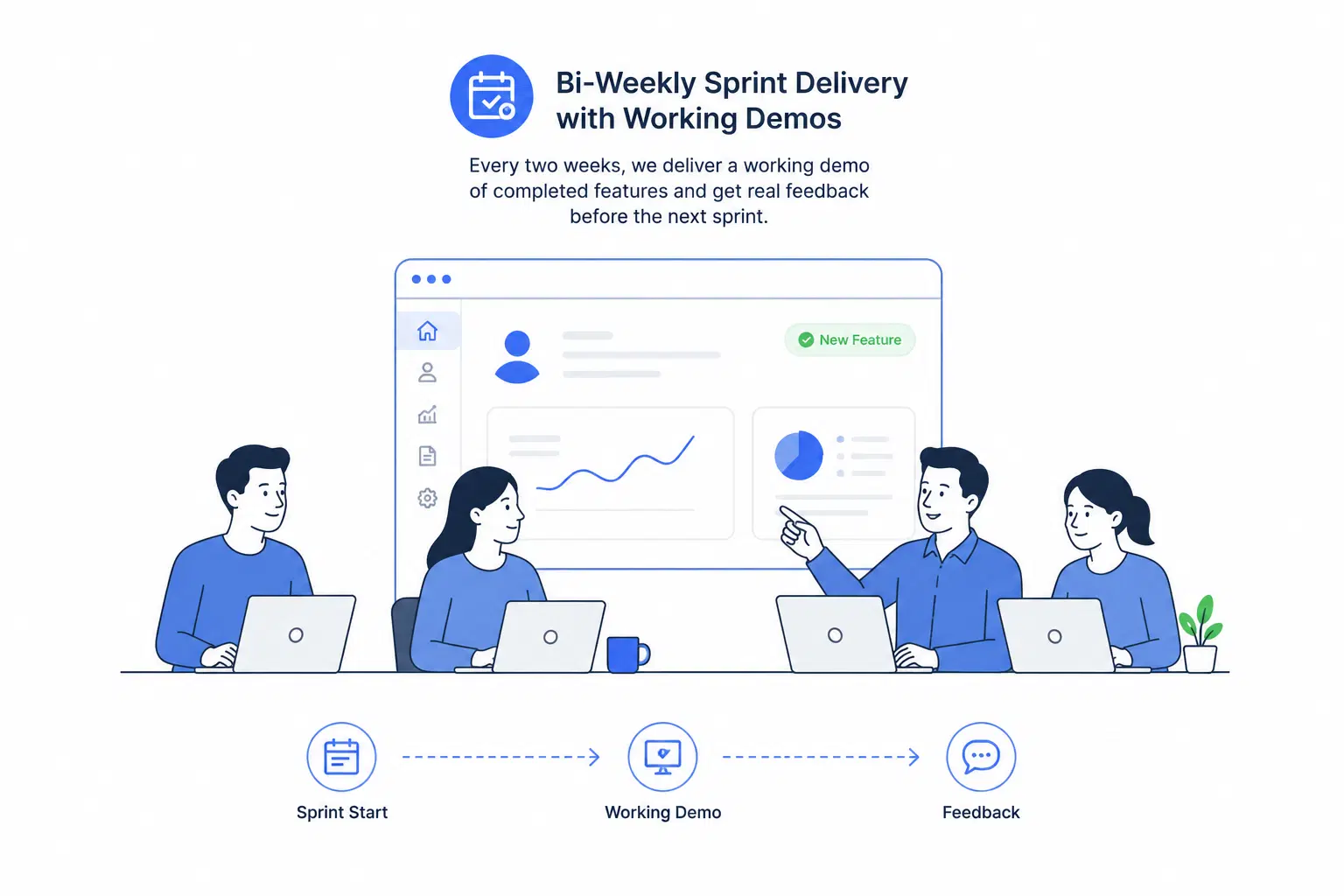
Every two weeks closes with a working demo of that sprint's increment not a status update document, but an actual, clickable product change. Patient dashboard redesign, performance improvements, new provider portal features whatever was scoped gets demonstrated before the next sprint is planned. This creates immediate feedback loops. The client reacts to working code, not to descriptions or wireframes.

The same full-stack engineers, backend specialists, and technical lead who understood SolidHealth AI's architecture from week one continue to own the work months later. This isn't a bench-based model where project changes trigger resource swaps. Continuity means faster decision-making, less context re-explaining, and deeper ownership of product quality.

EHR integration, healthcare data compliance, secure file handling, and access control architecture were designed as core requirements, not afterthoughts. Every sprint includes security review appropriate to healthcare data. This eliminates the common pattern of shipping features first and retrofitting security later.

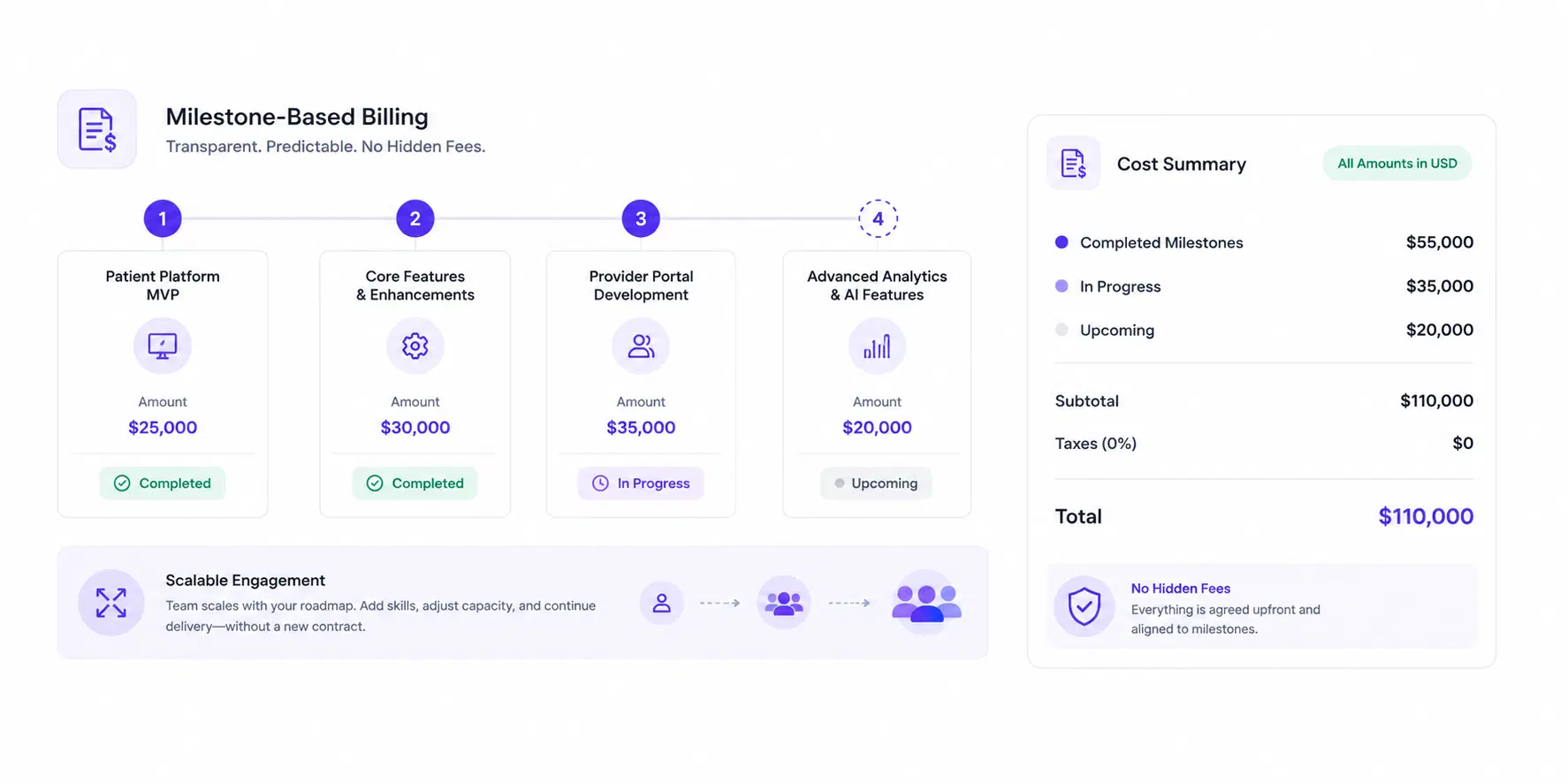
Costs are agreed upfront, aligned to milestones, with no hidden fees. As the roadmap expanded from patient platform to provider portal, the team structure scaled without requiring a new contract backend expertise was added, costs adjusted transparently, and delivery continued without commercial friction.

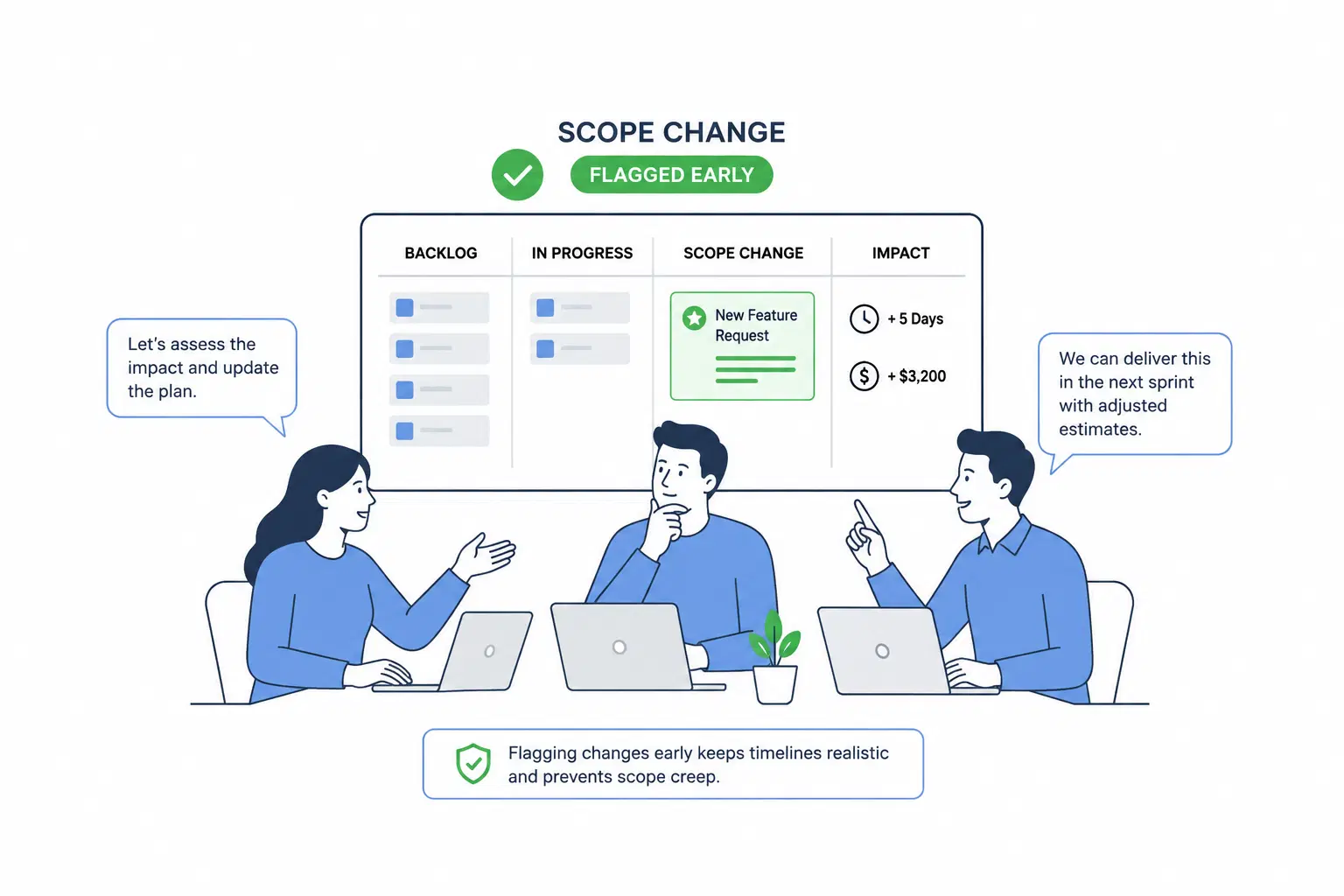
If a feature request will take longer or cost more than planned, that conversation happens right away not discovered at the end of a sprint. This keeps timelines realistic and prevents scope creep surprises.

Usability Feedback Surfaced Mid-Sprint
The fix was scoped into the current sprint and delivered before that sprint closed. The feedback became the next sprint's input, not a queued ticket in some future release. This responsiveness builds trust and maintains momentum.
Roadmap Expanded Without Contract Renegotiation
The team scaled to match the new scope without requiring a restructured engagement or renegotiated commercial terms. Dedicated backend architecture expertise was added, and the engagement model grew with the client's needs. This flexibility is built into the model by design.
Complex EHR Integration Requirements
Because healthcare data handling was built into the team's core competency from day one, this wasn't treated as a separate, high-risk effort. It was scoped, built, and delivered as focused work within the standard sprint cycle, with full compliance consideration built in.
Maintaining Security While Shipping Fast
Security review is built into every sprint, not deferred to major releases. File upload security (pre-signed, time-limited URLs), role-based access control for the provider portal, and secure real-time communication protocols are part of the standard definition of done. This eliminates the false choice between speed and security.

Years of Continuous Engagement
The same core team has continuously supported the platform for more than two years.
Bi-Weekly Sprints
Continuous sprint delivery maintained across 26+ development cycles.
Demo Delivery
A working product increment was delivered and demonstrated at the end of every sprint.
Feedback Turnaround
Client-raised concerns were scoped, resolved, and demonstrated within the current sprint.
Healthcare Data
Security & Access Control
Data Engineering
Application Performance
UI/UX & Product
MediaTech / EntertainmentTech
AI-powered music interpretation platform helping Spanish-speaking audiences discover songs, explore lyrics, and understand the stories behind them.

TravelTech / Tourism SaaS
AI-powered business intelligence and operations platform for tour operators. Unified bookings, analytics, CRM, customer communication, marketing, and automation in one connected system.